
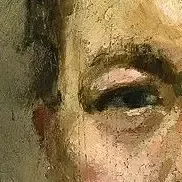

The Art of Painting, also known as The Allegory of Painting, or Painter in his Studio, is a 17th-century oil on canvas painting by Dutch painter Johannes Vermeer. Many art historians think that it is an allegory of painting, hence the alternative title of the painting. Its composition and iconography make it Vermeer’s most complex work. After Vermeer’s Christ in the House of Martha and Mary and The Procuress, it is his largest work.
This illusionistic painting is one of Vermeer’s most famous. In 1868 Théophile Thoré-Bürger, known today for his rediscovery of Vermeer, regarded this painting as his most interesting.
https://en.wikipedia.org/wiki/The_Art_of_Painting
More Vermeer: https://en.wikipedia.org/wiki/List_of_paintings_by_Johannes_Vermeer
I love this painting. It’s beautiful, it’s interesting, it’s ahead of its time, but I think most modern criticism misses a key point. It is a work of satire.
The model stands with a cloth lazily draped over her and surrounded by a seemingly random assortment of props. Sure, it may be allegorical, but I think the point is to show “how the sausage is made.” When you are setting up a scene, it just has to be beautiful and interesting. This is often how it’s done, with lots of clothespins and tape and whatever it takes to make the frame.
The satire is the painter himself, in what would have been a very posh, very dandy outfit for the day. Certainly that outfit would not be something you would paint in. And Vermeer, with the mastery of perspective, leads the eye first to the model, then to the painter, then to take in the scene as a whole. He paints the model in the scene as she probably would’ve looked, then paints this ridiculously fancy painter in the best light possible. He wants to show that the artist is curating the truth.
I think this is why he never sold the painting. It was his commentary on his profession and probably gave him comfort. At the end of the day, he knew there was an absurdity to the value placed on his art and painting’s role in history.