I know what Dawkins wrote but that definition is so all-encompassing to be unhelpful outside a specific area of discussion which is why in everyday parlance it’s not used.
True. Alrighty, I’ll accept that in the very original Dawkinsian sense, this can be considered a meme, if you squint. I still think it goes against the spirit of the community because the context is the internet in which the word means something else.
While I sympathize with your frustration, this is the same question we were asking at the fin de ciecle over Duchamp’s Fontaine over “is this art?” - and has been repeated in “what is theatre/fiction?” “Is borat fiction?” “Is an advertisement a movie?” “Are documentaries neccessarily non fiction?” which leads you all the way back to epistemology, the Socratic method, and a state of aporia.
The only reasonable conclusion is “if anyone says it’s a meme it’s a meme”
I don’t think I agree. I’d define an “internet meme” as an inside joke (in the very broadest of senses) shared on the internet. There needs to be a certain number of people who agree that it’s funny and worth repeating and propagating for it to qualify. Like the original idea definition of a “meme”, really, where an idea only becomes a cultural unit once it leaps from one mind to another. Also, Milhouse is not a meme.
Myself at two different points in time could be considered “two minds”: my mind now, my mind at the point of sending the email, especially if the time period involved is a long time and I forgot about it.
Failing that I could email it to anyone - they don’t even need to recieve the email as the qualia of receiving the communication wasn’t specified in the definition.
Reminder my original point was that eventually this conversation will lead to aporia.
The mind in your past has ceased to exist. The content of that email remains in one mind, it just a different one, by your definition.
They do need to receive it and read since it has to at the very least enter their minds and ideally they have to think it’s funny/interesting/worth sharing/etc.


I know what Dawkins wrote but that definition is so all-encompassing to be unhelpful outside a specific area of discussion which is why in everyday parlance it’s not used.
If you don’t like the meaning of the word “meme”, you don’t need to use c/memes.
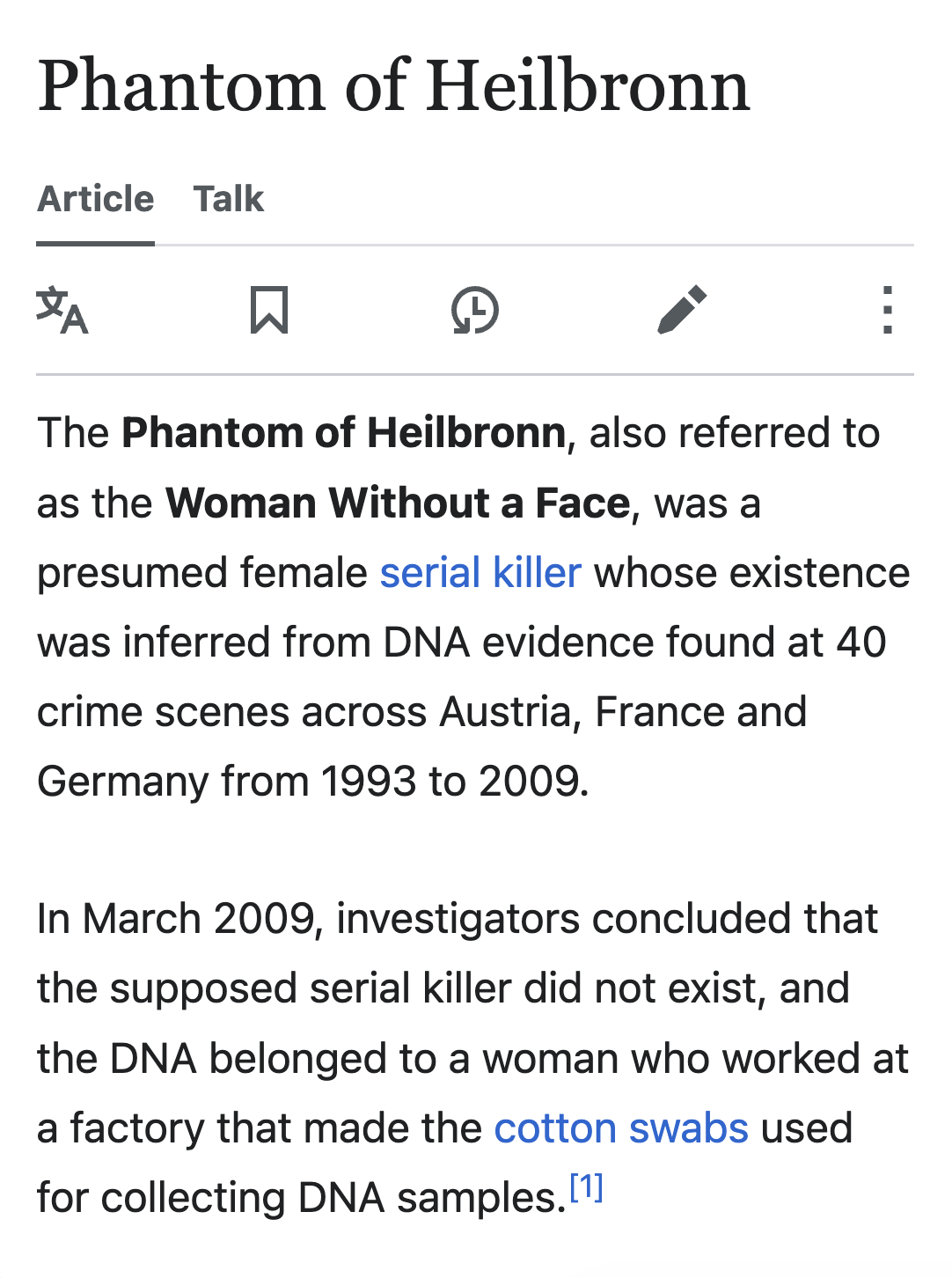
The meme is the idea of the serial killer that was propagated through the law enforcement community.
True. Alrighty, I’ll accept that in the very original Dawkinsian sense, this can be considered a meme, if you squint. I still think it goes against the spirit of the community because the context is the internet in which the word means something else.
While I sympathize with your frustration, this is the same question we were asking at the fin de ciecle over Duchamp’s Fontaine over “is this art?” - and has been repeated in “what is theatre/fiction?” “Is borat fiction?” “Is an advertisement a movie?” “Are documentaries neccessarily non fiction?” which leads you all the way back to epistemology, the Socratic method, and a state of aporia.
The only reasonable conclusion is “if anyone says it’s a meme it’s a meme”
I don’t think I agree. I’d define an “internet meme” as an inside joke (in the very broadest of senses) shared on the internet. There needs to be a certain number of people who agree that it’s funny and worth repeating and propagating for it to qualify. Like the original
ideadefinition of a “meme”, really, where an idea only becomes a cultural unit once it leaps from one mind to another. Also, Milhouse is not a meme.I mean per my previous comment: define “inside” “joke” “shared” “internet” “certain number” “agree” “one mind” “another mind”…
I could email myself the letter “e” and then say “this is funny” to myself and it would meet this definition
There’s still only one mind involved in your scenario.
Myself at two different points in time could be considered “two minds”: my mind now, my mind at the point of sending the email, especially if the time period involved is a long time and I forgot about it.
Failing that I could email it to anyone - they don’t even need to recieve the email as the qualia of receiving the communication wasn’t specified in the definition.
Reminder my original point was that eventually this conversation will lead to aporia.
The mind in your past has ceased to exist. The content of that email remains in one mind, it just a different one, by your definition.
They do need to receive it and read since it has to at the very least enter their minds and ideally they have to think it’s funny/interesting/worth sharing/etc.