

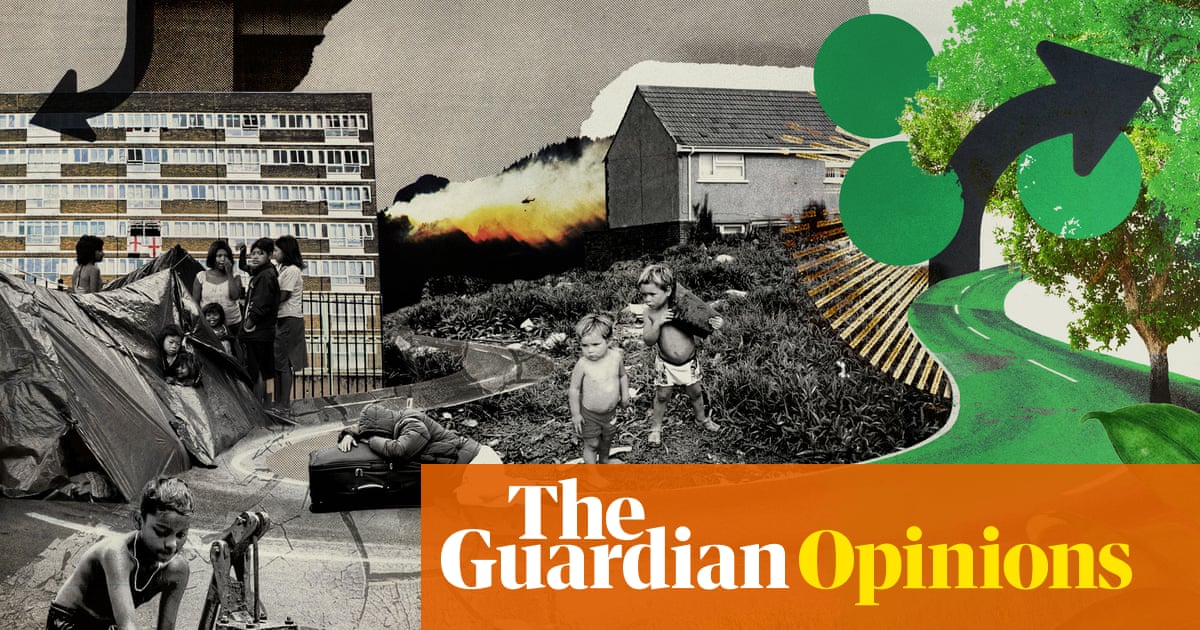
We live in an age of manufactured scarcity. […] Millions of people cannot afford enough food, proper housing or basic healthcare, while a tiny minority accumulates unprecedented wealth and power. […]
These are not separate crises. They are symptoms of an economic model that has reached the end of the road. Poverty and inequality are not accidents; they are predictable outcomes of policy choices: how we design tax systems, regulate labour markets, value care, structure public services and decide whose needs and whose voices matter. Crucially, if governments can manufacture poverty, they can also dismantle it.
We need to change the rules upstream. That means, for instance, decent work and employment guarantees, living wages and fair remuneration, stronger unions and workplace democracy, tackling discrimination and valuing the paid and unpaid care work on which our societies depend. It means investing in children, housing, health, education and transport through universal public provisioning. It means public control of strategic assets, credit guidance to steer investment towards social and ecological priorities, and support for the development of the social and solidarity economy.
I don’t have, need or want a car which probably helps a fair bit. Work in the next town over and amusingly it’s faster to cycle there than drive. Sure, parts of the road there are like 40-60mph limits but when a few thousand people are trying to use it you are averaging 4mph. Meanwhile I can cycle 8km in like 20-25 mins.