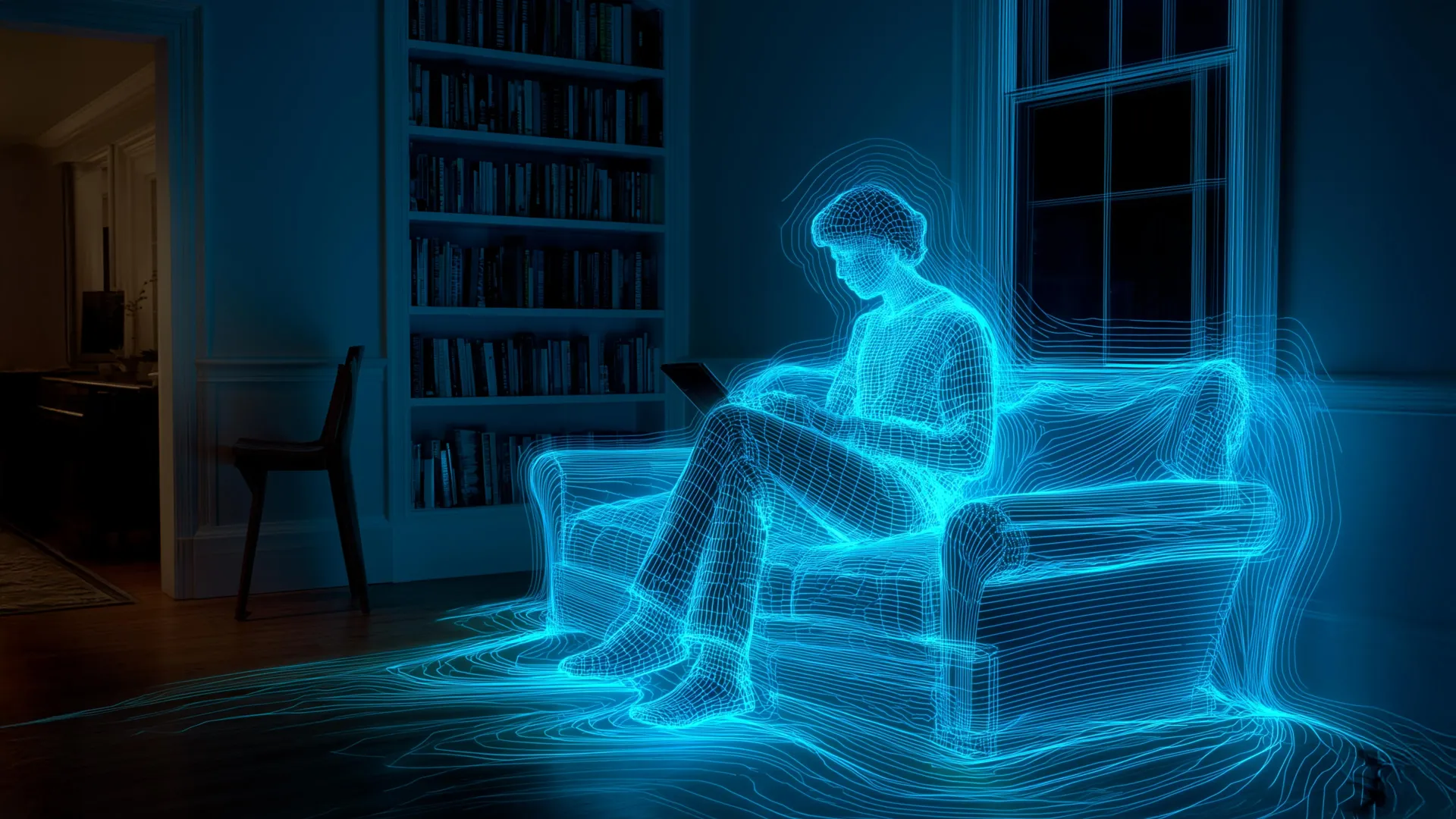
Scientists in Germany have demonstrated a startling new form of surveillance: identifying people using nothing more than ordinary WiFi signals. By analyzing how radio waves bounce around a room, researchers can effectively “see” and recognize individuals — even if they are not carrying a device and even if their phone is turned off.
The reason the FCC is only allowing the sale of state approved routers in the US?
If you read the article ( https://dl.acm.org/doi/epdf/10.1145/3719027.3765062 ) they are testing this in an EXTREMELY controlled enviroment and directed subjects… I have my doubts that this could provide any insight on whether this is even feaseble for public surveillance, let alone effective…
I can tell you as someone who read the papers on very early deepfakes and AI video generation with amazement followed by dread, this is going to be feasible on a large scale in a short period of time. Researchers do stuff on an absolute shoestring budget usually, it’s incomparable to what large companies and governments have at their disposal. There are already consumer products that were able to become fairly precise motion sensors with just a firmware update. Next gen devices will be built with motion fingerprinting in mind, I can almost guarantee it.


If you read the article ( https://dl.acm.org/doi/epdf/10.1145/3719027.3765062 ) they are testing this in an EXTREMELY controlled enviroment and directed subjects… I have my doubts that this could provide any insight on whether this is even feaseble for public surveillance, let alone effective…
It’s also only possible because the information they used (BFI) is unencrypted.
I would expect them having access to that anyway when they control the device, or when they are the manufacturer
If that data were encrypted it would at least reduce the number of people that has access to it.
I can tell you as someone who read the papers on very early deepfakes and AI video generation with amazement followed by dread, this is going to be feasible on a large scale in a short period of time. Researchers do stuff on an absolute shoestring budget usually, it’s incomparable to what large companies and governments have at their disposal. There are already consumer products that were able to become fairly precise motion sensors with just a firmware update. Next gen devices will be built with motion fingerprinting in mind, I can almost guarantee it.
Walk without rhythm and we won’t attract the
wormbig brother.I see you are also a member of the ministry. https://youtu.be/iV2ViNJFZC8
It’s a start. It may take time to make it work for “everyday” use, but if it’s possible now, it can be done better in the future.
It gets more accurate with more access points, too. So corporate and education settings will be the easy places for this to get implemented.
those places would just use surveillance cameras
the devices can still record more accurate motion information for sale
Right. Privacy isn’t a concern in those spaces. Surveillance is typical.